Stocks
Starting Your Stock Market Journey: A Beginner’s Notes
US Market Radar Research Team
Share:
Was this helpful?
Stocksstock marketnasdaqs&p 500beginner trading
Starting Your Stock Market Journey: A Beginner’s Notes
When I first considered putting money into the stock market, the idea felt both exciting and intimidating. I’d heard of people making fortunes and others losing everything. Over time, I realised that investing isn’t about gambling; it’s about patience, knowledge and using the right tools. This post is a reflection of what I’ve learned so far and what I wish someone had told me when I began.
1. Only risk money you can afford to leave untouched
The biggest mistake many new investors make is using funds they may need in the near future. Stock prices move up and down unpredictably, and there’s no guarantee you’ll be able to withdraw your money at a profit on short notice. One respected investing guide stresses that you should only invest money you won’t need for at least five years1. Think of tuition savings, emergency funds or next year’s holiday as off‑limits for stocks. This long time horizon gives your investments a chance to ride out market volatility and benefit from compounding.
2. Balance your allocation across stocks and safer assets
I used to think that investing was all about picking the next hot stock, but asset allocation matters just as much. A simple rule suggests subtracting your age from 110 to determine the percentage of your portfolio that should be invested in equities, with the remainder in bonds or other fixed‑income instruments2. When I was 30, this meant roughly 80 % of my long‑term savings could be in stocks and 20 % in bonds. As you get older and closer to needing the money, shifting more into stable, income‑producing assets can help preserve capital.
3. Focus on quality businesses and hold them for the long term
Legendary investors like Warren Buffett emphasise that extraordinary results don’t require extraordinary actions. One insight that changed my approach was the advice to buy shares of great businesses at reasonable prices and hold them as long as they remain great3. In other words, it’s not about finding dozens of “next big things” but about owning a few solid companies and giving them time to grow. Over long periods, the stock market has produced average returns of about 9 % to 10 % per year4, but that includes sharp corrections where prices can drop 10 % or more. Staying invested through the ups and downs is key.
4. Learn how to value a company
It’s tempting to buy a stock simply because everyone else is talking about it, but fundamentals matter. When I evaluate a company, I look for signs of a durable competitive advantage, sometimes called an “economic moat.” Research organisations classify moats as wide, narrow or nonexistent; wide‑moat companies can fend off competitors for long periods5. Next, I try to estimate the fair value of the business. One method uses discounted cash flow analysis to estimate how much cash the company will generate in the future and then discount it back to today; if the share price is much higher than this estimate, it may be overvalued6. Because future cash flows are uncertain, I apply a margin of safety. For stocks with low business uncertainty, paying about 95 % of fair value might be acceptable, whereas companies with extreme uncertainty warrant buying only if they trade at half of their estimated fair value
Another simple screen is to look at star ratings produced by research analysts. In one system, 4‑ or 5‑star stocks are considered undervalued, 3‑star stocks are fairly valued and 1‑ or 2‑star stocks are overvalued8. No matter how good a story sounds, I make sure a single stock never exceeds about 5 % of my portfolio and that equities are only one part of a broader investment plan8.
5. Use modern research platforms wisely
We live in an age where data is everywhere, but sorting through it can feel overwhelming. Some investment platforms offer portfolio management tools and community discussion forums. Reviews note that these platforms provide sophisticated quant ratings and can be affordable, but caution that the sheer volume of information can overwhelm beginners and that user‑generated analysis isn’t always vetted9. They are best suited to long‑term investors, active traders or dividend investors; if you prefer a hands‑off approach, a broad market index fund might be better.
You may also come across services that send you monthly stock picks based on quantitative models. One such service delivers two “strong buy” stocks every month and had a cumulative return of about 273 % versus 80 % for the S&P 500 between 2022 and November 202510. On average, its picks returned around 84 % versus 23 % for the index10. While the results look impressive, there are caveats: the strategy is momentum‑based and can be volatile, with some holdings down more than 30 %10. To follow the service properly, you’d need to buy every pick — roughly 24 stocks a year — which requires significant capital10. The subscription is also pricey and offers no refunds10. Such services can complement your research, but they aren’t a substitute for understanding the businesses you own.
6. Master the tools of technical analysis
Beyond fundamental analysis, technical analysis helps you visualise price action and market psychology. Modern charting platforms allow you to display up to 16 charts at once with synchronised symbols and timeframes, perform actions with a global command search, create custom formulas, and choose custom time intervals11. They offer advanced volume studies, such as the volume footprint, which shows where trading volume occurred within each candlestick; time price opportunity, which visualises where prices spent the most time; and session volume profiles for intraday analysis11.
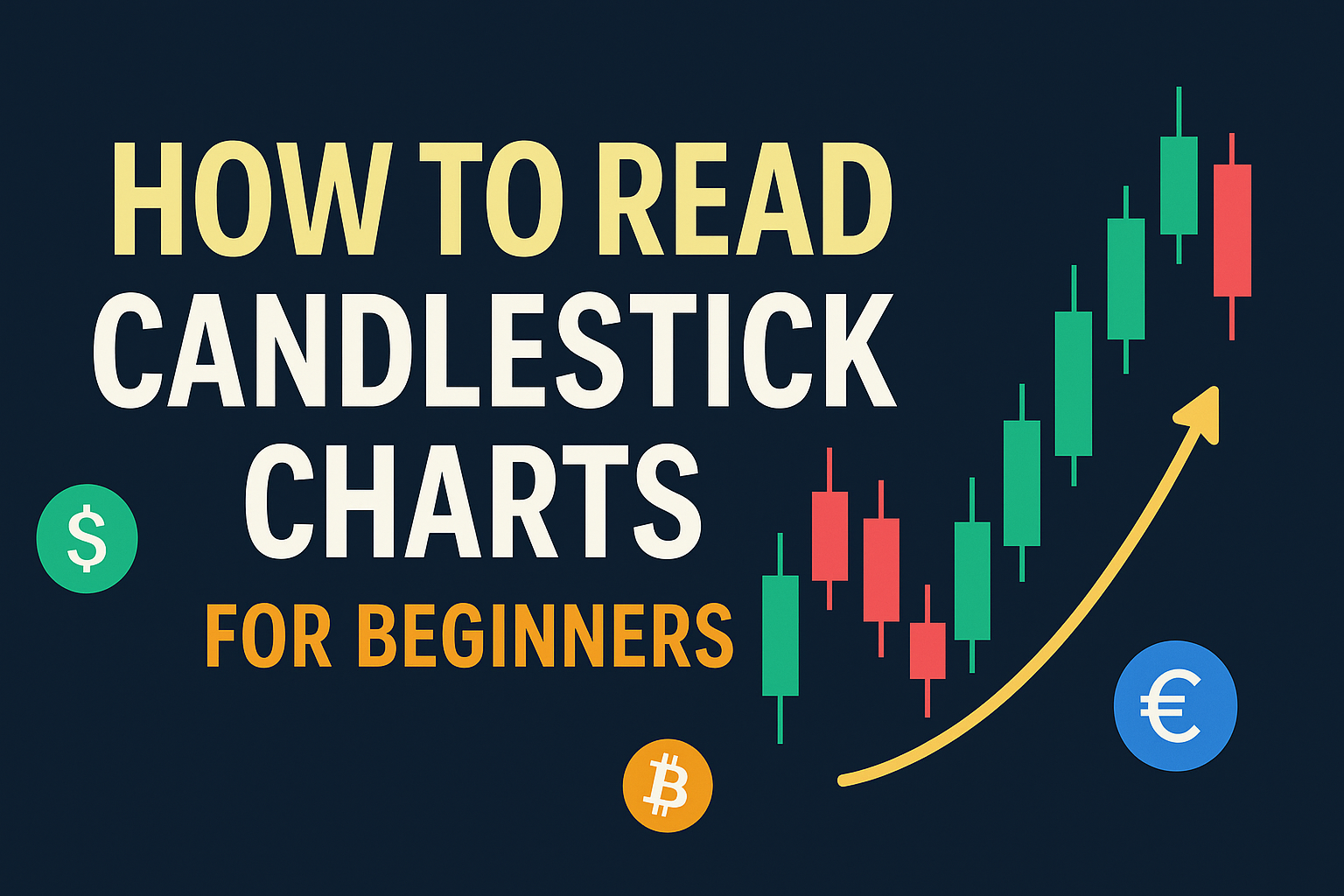
Choosing the right chart type is important. Traditional candlestick and bar charts show high, low, open and close prices, while range or Heikin Ashi charts reduce noise. Renko and point & figure charts ignore time entirely, plotting only significant price changes. There are also line break, Kagi, area and baseline charts that can help you spot trends more clearly. The same platform I use includes over 400 built‑in indicators and strategies, more than 100,000 community indicators, and over 110 smart drawing tools, including candlestick pattern recognition and multi‑timeframe analysis11. These tools can be invaluable for timing your entry and exit points, but they should support — not replace — your understanding of a company’s fundamentals.
7. Explore value‑oriented research tools
If your aim is to invest in undervalued companies, there are platforms built specifically for value investing. I like tools that automatically run discounted cash‑flow models using publicly available historical and macroeconomic data, Professor Damodaran’s estimates and unbiased consensus forecasts12. They cover tens of thousands of stocks across dozens of exchanges worldwide and include stock screeners with hundreds of metrics to identify undervalued or overvalued companies12. Some even offer AI‑powered search to quickly sift through millions of regulatory filings and research documents for specific keywords or trends12. These platforms let you see the assumptions behind each valuation and modify them if you disagree, helping you develop a more nuanced view of a company’s worth.
8. Adopt a long‑term mindset and stay diversified
Even the best tools and strategies can’t eliminate risk. Markets can produce big swings, and no system offers guaranteed returns. History shows that stocks have delivered roughly 9–10 % per year over long periods4, but that includes recessions, bear markets and periods of sideways movement. Successful investing demands patience and the discipline to stick with your plan during downturns. Diversification — spreading your money across different companies, sectors and asset classes — helps smooth the ride. Don’t be tempted to put everything into one hot stock or sector.
9. Final thoughts
Starting your investing journey can feel daunting, but it doesn’t have to be. Begin by setting aside money you won’t need for a few years, deciding how much you want in stocks versus other assets and learning how to evaluate companies. Use research services and charting tools to enhance your understanding, but remember that they are aids, not magic bullets. Whether you’re buying your first index fund or evaluating a promising small‑cap, the fundamentals remain the same: patience, discipline and a long‑term perspective. With time and persistence, you’ll build the knowledge and confidence to navigate the markets successfully.
Found this helpful? Share it:
Share:
Was this helpful?